
Click to explore
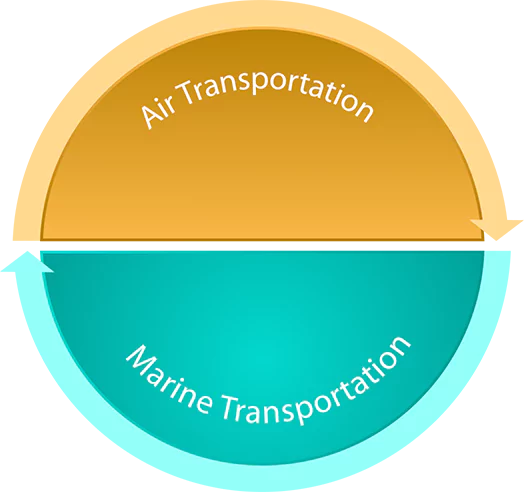

Advancing Marine Transport for Sustainable Community Access
We’re charting a new course for First Nations and municipalities, steering them toward sustainable horizons and diminishing fossil fuel dependence. Our initiative is set to invigorate the marine industry by introducing marine charging stations, transitioning to electric motors, and championing new electric vessels — all through a model that balances financial viability with environmental integrity.
Key Benefits of Green Marine Transport:
Reduced Emissions: Transitioning to electric vessels significantly lowers greenhouse gas emissions, contributing to cleaner air and combating climate change.
Quieter Operations: Our green marine solutions offer quieter travel, reducing noise pollution and enhancing the tranquility of our marine environments.
Energy Independence: Utilizing renewable energy for marine transport reduces our dependency on fossil fuels, ensuring stability against global market fluctuations and promoting long-term sustainability.
Economic Growth: Developing sustainable marine infrastructure not only creates jobs but also opens new pathways for economic development within the marine industry.
Innovative Leadership: By embracing green technologies in marine transport, we are setting a standard for innovation, driving advancements that pave the way for a sustainable transportation future.
ERIF's marine transport initiative is more than just a means of travel; it is a commitment to sustainable development, environmental responsibility, and community enhancement. By investing in green marine solutions, we are making a lasting impact on our community's prosperity and ecological health. Together, we are navigating towards a more sustainable and accessible future.
EF-24 Passenger Ferry
EF-12 Transfer Vessel
EF-12 Work Boat


Click images to choose video
Revolutionizing Marine Transport with Electric Propulsion
Electric marine transport is steering communities toward a brighter future. Its eco-friendly design significantly reduces the harmful emissions traditionally associated with marine vessels. This cleaner approach not only fosters a healthier environment with cleaner air and water but also provides cost-effective and efficient travel, connecting even the most remote communities.
With electric marine transport, we're preserving the serenity of natural surroundings by minimizing noise pollution and shore erosion. This transition enhances accessibility while safeguarding our planet's well-being.
Electric Marine Transport
Electric marine transport is the way forward for our communities:
It's an eco-friendly mode of travel, significantly reducing harmful emissions tied to traditional vessels.
This cleaner approach promotes healthier environments, with cleaner air and water for everyone.
Electric marine transport offers cost-effective, efficient travel, making remote communities more interconnected.
Reduced noise pollution preserves the tranquillity of natural surroundings and minimizes shore erosion.
ERIF has joined forces with Artemis Technologies. They're dedicated to shaping a sustainable future in the maritime industry, driven by ground-breaking innovations like the Artemis eFoiler®. This electric propulsion system is a game-changer, transforming high-speed passenger transportation. The Artemis eFoiler® finds versatile applications in workboats, passenger ferries, crew transfer vessels, and leisure craft, setting a new standard in marine transport.
With innovative technology and strategic partnerships, we're advancing clean energy solutions, transforming transportation into a carbon-neutral industry and connecting communities like never before.
In collaboration with Artemis Technologies, we're pioneering the future of marine transportation, offering innovative solutions that benefit communities, the environment, and the economy.
Key Benefits of The Artemis eFoiler®
Green and Clean:
Drastically reduces harmful emissions, ensuring cleaner air and water, minimizes noise pollution, preserving the tranquillity of natural surroundings and dramatically lowers operating costs for economic sustainability.
Eco-Friendly Travel:
Dramatically reduces harmful emissions, ensuring cleaner air and water in the region.
Minimal Noise Pollution and Shore Erosion:
Preserves the tranquillity of natural surroundings, enhancing the overall quality of life for communities.
Lower Operating Costs:
Offers a cost-effective and efficient mode of travel, reducing the financial burden on local residents.
Enhanced Accessibility:
Connects remote communities, promoting tourism expansion and economic growth.
Job and Career Opportunities:
Creates job opportunities and career paths in the electric marine transport nad tourism industry, stimulating local employment.
Innovative Charging Solutions:
Opportunities to standardize charging systems, ensuring interoperability and reducing infrastructure costs.
Designed for Canada's Waters:
Built to handle local conditions comfortably, including the management of 3-meter swells, providing reliable service even in challenging environments.
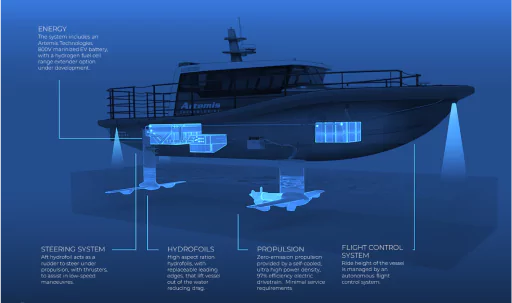
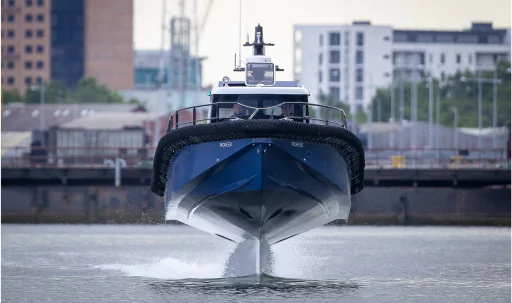
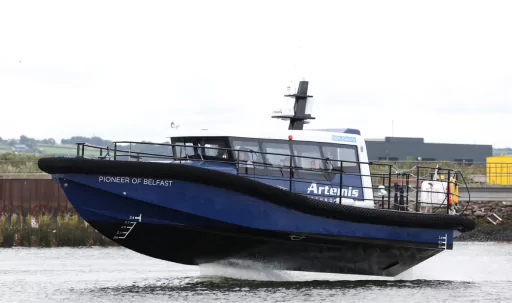
Artemis Technologies’ EF-12 range already benefits from DC fast charging thanks to the CCS2 technology and the company is committed to helping develop standardised charging solutions for its Artemis EF-24 Passenger and other eFoiler® vessels in conjunction with CharIN’s Megawatt Charging System Task Force. The group represents the whole value chain of the Heavy-Duty Vehicles industry segment and is essential to support the deployment of maritime e-transportation by encouraging interoperability and limiting the infrastructure burden.
Elevating Remote Communities with Sustainable Air Transport
Imagine what opening runways in remote communities could mean for their future. Beyond offering better connectivity, it's a gateway to countless opportunities. Sustainable air transport is more than just environmentally friendly; it's a catalyst for positive change.
Expanding Accessibility:
By expanding runways and promoting eco-friendly aviation practices, remote communities gain easier access to the world. Residents can fly in and out efficiently, fostering a stronger connection to the broader region.
Job Creation:
The growth of sustainable air transport brings more than just convenience. It opens doors to employment opportunities. New infrastructure requires personnel, from pilots to ground crews, creating a workforce right within the community.
Boosting Tourism:
Sustainable air travel invites tourists to explore the pristine beauty of these remote locations. Tourism drives the local economy, supporting restaurants, hotels, and small businesses. It's an economic boon for communities.
Environmental Responsibility:
A significant aspect of sustainable air transport is the reduction in carbon emissions. Greener aviation practices protect the environment, ensuring the natural beauty remains untouched for generations to come.
Overall, sustainable air transport isn't just about better accessibility; it's a holistic approach to community growth, preserving the environment, and embracing the future.
The Future of Sustainable Air Transport: A Step Closer
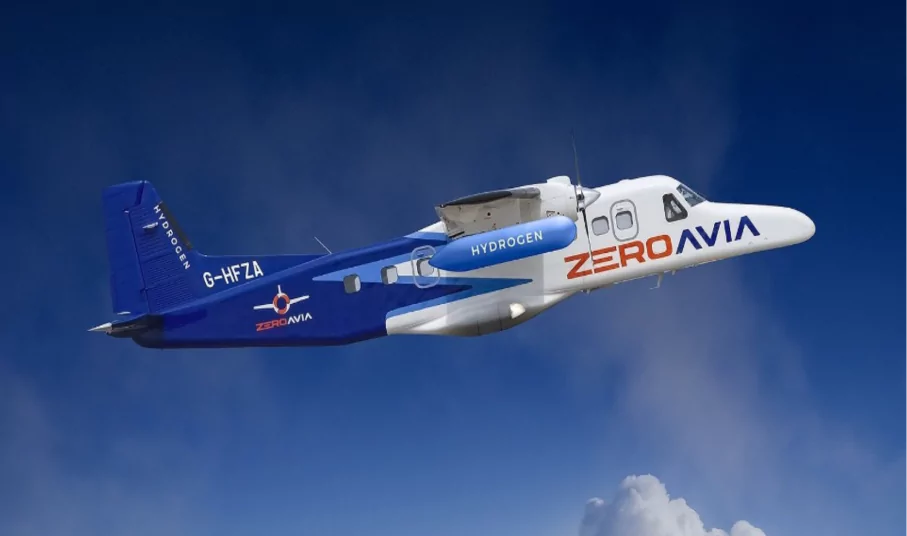
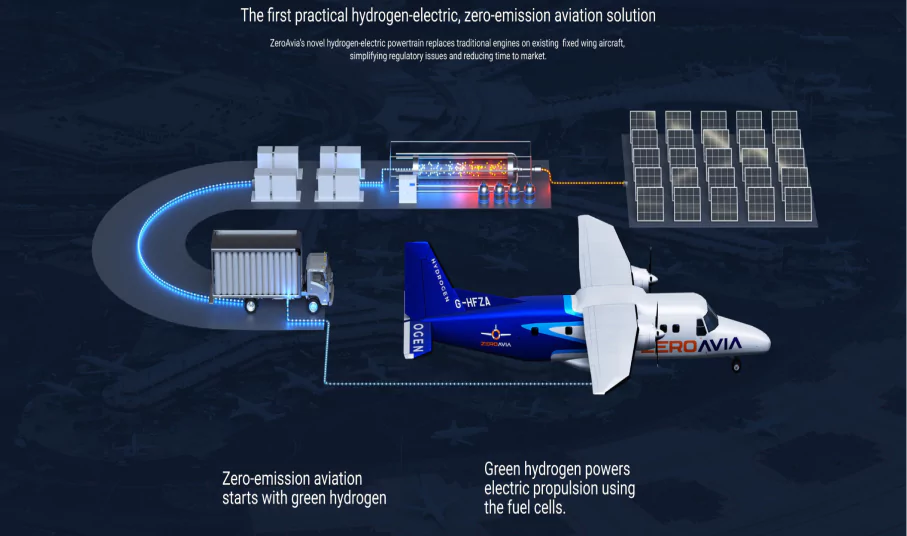
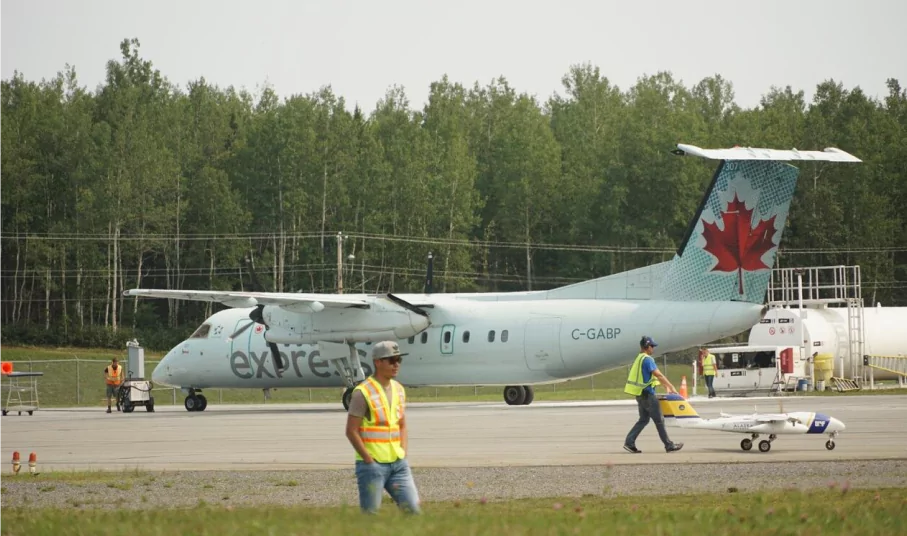
In the realm of air transportation, we're propelling towards a more sustainable future, and it's not as distant as you might think. Our primary focus revolves around three eco-friendly fuel options: full electrification, hydrogen power, and green methanol, all produced on-site.
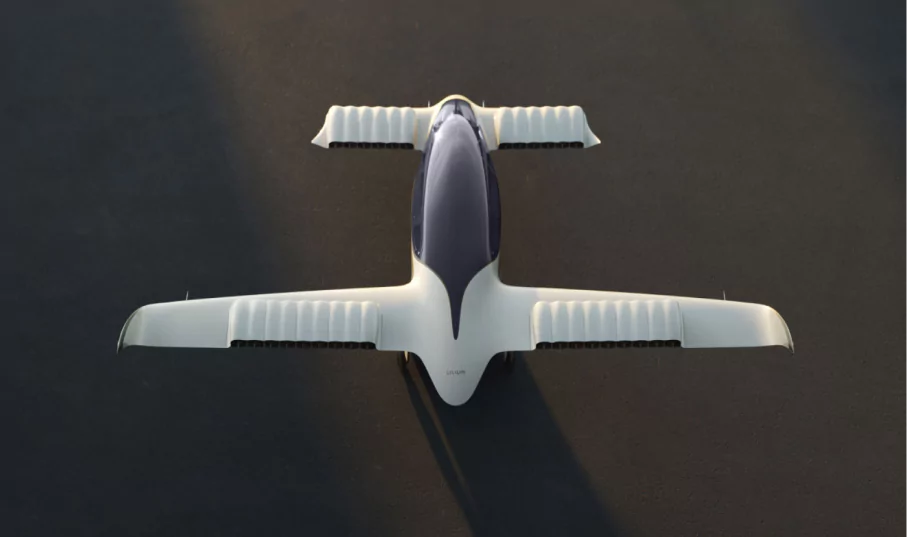
In the domain of full electrification, we're closely following Lilium, a pioneer dedicated to creating a sustainable high-speed regional transport system for both passengers and cargo. Their Lilium Jet, an all-electric vertical take-off and landing aircraft, combines impressive capacity, minimal noise, high performance, and zero emissions.
Additionally, our commitment to green methanol allows us to power traditional piston engine aircraft, replacing the conventional Avgas. With on-site green methanol production, we provide environmentally friendly fuel for our piston engine helicopters and aircraft. It's all part of our journey toward a greener, more sustainable air transport future.
ZeroAvia/HyFlyer II - Dornier II First Test Flight Video
ZeroAvia Dornier228 - First Flight Video
Hydrogen Powered Helicopter Video
Lilium Jet: Full Electric VTOL Video


Click images to choose video
Revolutionizing Marine Transport with Electric Propulsion
Electric marine transport is steering communities toward a brighter future. Its eco-friendly design significantly reduces the harmful emissions traditionally associated with marine vessels. This cleaner approach not only fosters a healthier environment with cleaner air and water but also provides cost-effective and efficient travel, connecting even the most remote communities.
With electric marine transport, we're preserving the serenity of natural surroundings by minimizing noise pollution and shore erosion. This transition enhances accessibility while safeguarding our planet's well-being.
Electric Marine Transport
Electric marine transport is the way forward for our communities:
It's an eco-friendly mode of travel, significantly reducing harmful emissions tied to traditional vessels.
This cleaner approach promotes healthier environments, with cleaner air and water for everyone.
Electric marine transport offers cost-effective, efficient travel, making remote communities more interconnected.
Reduced noise pollution preserves the tranquillity of natural surroundings and minimizes shore erosion.
ERIF has joined forces with Artemis Technologies. They're dedicated to shaping a sustainable future in the maritime industry, driven by ground-breaking innovations like the Artemis eFoiler®. This electric propulsion system is a game-changer, transforming high-speed passenger transportation. The Artemis eFoiler® finds versatile applications in workboats, passenger ferries, crew transfer vessels, and leisure craft, setting a new standard in marine transport.
With innovative technology and strategic partnerships, we're advancing clean energy solutions, transforming transportation into a carbon-neutral industry and connecting communities like never before.
EF-24 Passenger Ferry
EF-12 Transfer Vessel
EF-12 Work Boat
Click images to choose video
In collaboration with Artemis Technologies, we're pioneering the future of marine transportation, offering innovative solutions that benefit communities, the environment, and the economy.
Key Benefits of The Artemis eFoiler®
Green and Clean:
Drastically reduces harmful emissions, ensuring cleaner air and water, minimizes noise pollution, preserving the tranquillity of natural surroundings and dramatically lowers operating costs for economic sustainability.
Eco-Friendly Travel:
Dramatically reduces harmful emissions, ensuring cleaner air and water in the region.
Minimal Noise Pollution and Shore Erosion:
Preserves the tranquillity of natural surroundings, enhancing the overall quality of life for communities.
Lower Operating Costs:
Offers a cost-effective and efficient mode of travel, reducing the financial burden on local residents.
Enhanced Accessibility:
Connects remote communities, promoting tourism expansion and economic growth.
Job and Career Opportunities:
Creates job opportunities and career paths in the electric marine transport nad tourism industry, stimulating local employment.
Innovative Charging Solutions:
Opportunities to standardize charging systems, ensuring interoperability and reducing infrastructure costs.
Designed for Canada's Waters:
Built to handle local conditions comfortably, including the management of 3-meter swells, providing reliable service even in challenging environments.
Artemis Technologies’ EF-12 range already benefits from DC fast charging thanks to the CCS2 technology and the company is committed to helping develop standardised charging solutions for its Artemis EF-24 Passenger and other eFoiler® vessels in conjunction with CharIN’s Megawatt Charging System Task Force. The group represents the whole value chain of the Heavy-Duty Vehicles industry segment and is essential to support the deployment of maritime e-transportation by encouraging interoperability and limiting the infrastructure burden.
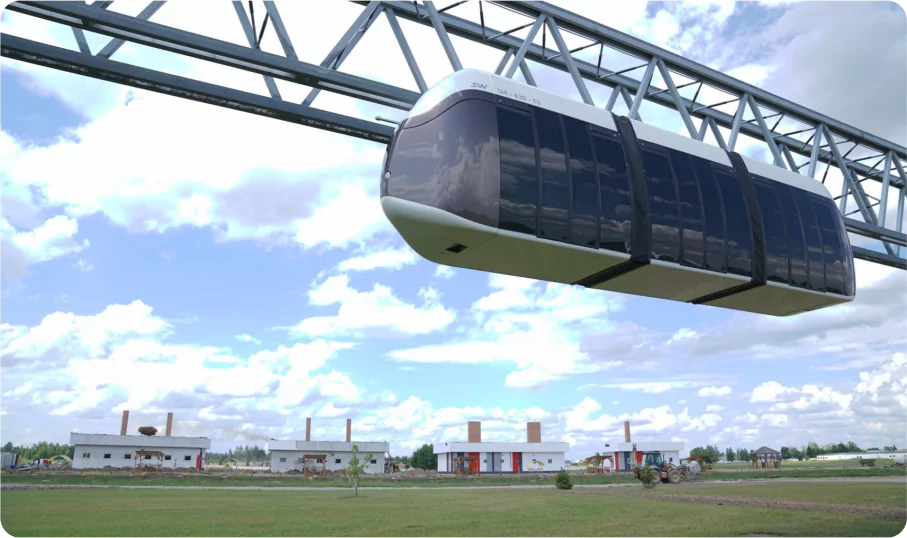
Sky Rail
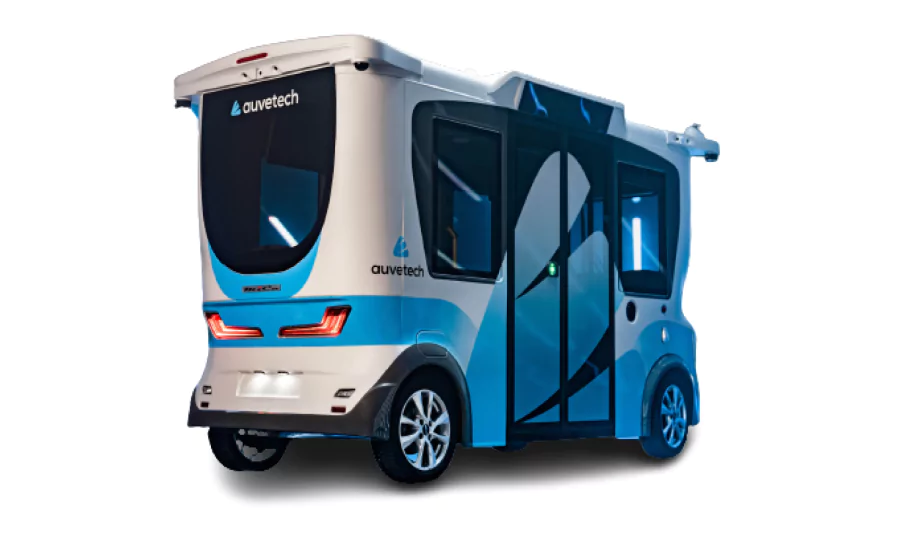
Autonomous Transportation
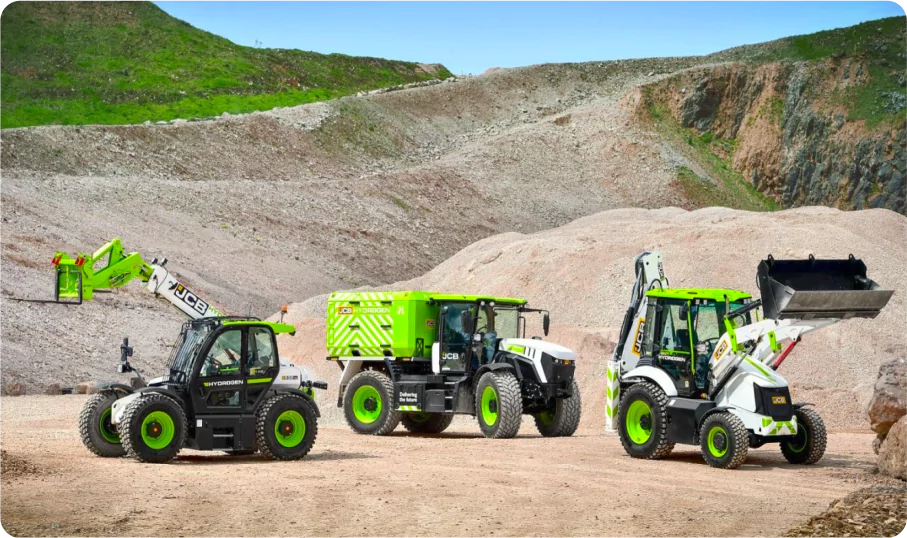
JCB Hydrogen Powered Excavators
Refuelling Hydrogen Powered Machinery


Click images to choose video
Our land transportation can be categorized into three main segments: Public Transport, Personal Transport, and Work Machinery.
When it comes to public transportation, we place our trust in SkyWay. They specialize in overhead string rail cars that are fully electric and have minimal impact on the environment. These rail cars can reach speeds of up to 150 km per hour, offering a quiet, smooth, and reliable mode of transportation.
For personal transport, we are currently engaging with Auve Tech, a company that produces self-driving autonomous vehicles for taxi-like transportation. This innovative system enables residents and guests to conveniently order a personal autonomous taxi directly from their smartphone, providing point-to-point transportation within our community.
Lastly, in terms of work machinery, we prioritize the use of electric power for smaller vehicles. However, for heavier machinery, we have partnered with industry leader JCB to supply our hydrogen-powered work machinery. JCB faced the challenge of finding a zero-carbon alternative to fossil fuels that could handle the demanding workloads of heavy machinery, operating up to 12 hours a day in remote locations such as backhoe loaders and large excavators. The solution they developed is hydrogen technology.
The engineers at JCB Power Systems, based in Derbyshire, UK, have successfully created the industry's first hydrogen motor. By leveraging existing engine technology and readily available components, hydrogen is combusted to deliver power in a similar way to a diesel engine. The prototype backhoe loader, equipped with this innovative hydrogen motor, is capable of performing all the tasks of its diesel-powered equivalent. What's more, this technology is simpler compared to hydrogen fuel-cell technology, emitting nothing but steam from the tailpipe and producing zero CO2 at the point of use.